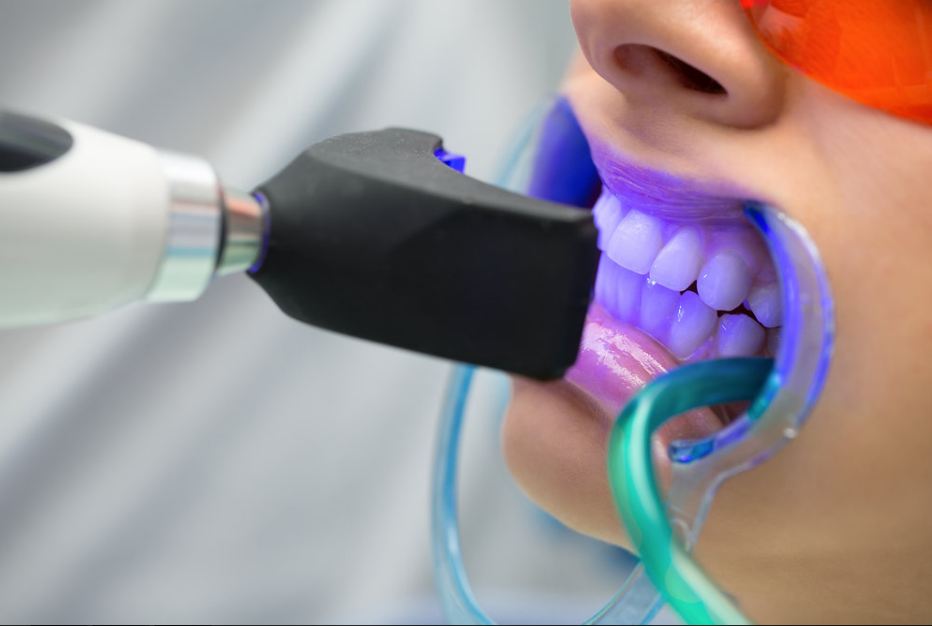
Dentist-supervised whitening can lighten natural teeth. The method and achievable shade vary by person.
Teeth can become darker or stained with age, food and drinks, tobacco, medication or changes within the tooth. Professional whitening uses a bleaching product to lighten natural tooth colour after a dentist checks oral health and the likely cause of discolouration.
The original PG Clinics service page presents whitening as an aesthetic option. The treating dentist decides whether whitening is suitable and which supervised approach to use; a particular shade or number of shades cannot be promised.
Whitening acts on natural teeth. It does not lighten crowns, veneers, bridges or fillings to match, so visible restorations may need a separate colour plan. The original page describes polishing to remove tartar and surface discolouration before bleaching. Some internal stains, including those associated with medication or tooth development, may respond differently.
The dentist checks for decay, gum disease, exposed roots, sensitivity and existing restorations before selecting a method.
The source describes protecting the gums with a barrier and applying a whitening gel. An appointment may take about an hour, but timing and equipment vary.
Custom trays and a dentist-provided product may be used at home according to individual instructions and review.
The cause of discolouration matters. The dentist reviews oral health, restorations, previous sensitivity and your desired shade, and may recommend cleaning or other dental care first. Whitening during pregnancy, in young patients or with untreated dental problems calls for individual professional advice.
Identify stains, check oral health and record the starting shade.
Agree on an in-office or supervised home approach and discuss sensitivity and limitations.
Follow the clinician’s product instructions, protection measures and appointment schedule.
Assess the shade change and discuss maintenance or restoration colour if needed.
Temporary tooth sensitivity or gum irritation can occur. Follow the treating dentist’s instructions and report persistent discomfort. The original page advises limiting strongly staining food, drinks and tobacco for the first days after treatment; ask your dentist what applies to your case. Diet, smoking, oral hygiene and the original cause of staining all affect how long a change remains visible. The source mentions about two years as a broad estimate, not a guaranteed duration. Your dentist can advise on any future touch-up; avoid unsupervised repeated bleaching.
This information is general. A qualified dental professional assesses your individual suitability, alternatives and possible risks. PG Clinics coordinates care with contracted healthcare providers.